

Spinal Stenosis Treatment in Steele Creek, Charlotte, NC
What Is Spinal Stenosis?
Spinal stenosis is a narrowing of the spaces inside the spine that the spinal cord and nerves pass through. It develops most often in the lower back and the neck, and usually comes on gradually as discs lose height, joints thicken, and ligaments stiffen with age. When the space narrows enough to crowd a nerve, it can cause pain, numbness, or weakness, often in the legs when standing or walking.
At Urgent Chiropractic of Steele Creek, we look at how your spine moves, which positions bring your symptoms on, and how far you can comfortably stand or walk, so we can build a personalized plan focused on comfort, mobility, and function.
Common Symptoms of Spinal Stenosis
Symptoms depend on where the narrowing is and how much it affects the nerves. Some people have stenosis on imaging with no symptoms at all. Common symptoms may include:
- Lower back pain or stiffness
- Pain, cramping, or heaviness in the legs when standing or walking
- Leg symptoms that ease when you sit down or lean forward
- Numbness or tingling in the buttocks, legs, or feet
- Neck pain with numbness or tingling in the arms or hands
- Weakness in a leg, foot, arm, or hand
- Shorter walking distance or less endurance than before
- Balance problems or a feeling of unsteadiness
Loss of bladder or bowel control, numbness in the groin, or rapidly worsening weakness needs emergency care. Call 911 or go to the nearest emergency room.
What Causes Spinal Stenosis?
Most spinal stenosis is related to gradual, age-related changes in the spine, though other factors can narrow the canal as well. Common contributing factors may include:
- Age-related disc wear and loss of disc height
- Arthritis and bone spurs on the spinal joints
- Thickened ligaments along the spinal canal
- Bulging or herniated discs
- Previous spinal injuries or fractures
- One vertebra slipping forward over another (spondylolisthesis)
- A naturally narrow spinal canal
- Scoliosis or other changes in spinal alignment
More than one factor is usually involved, which is why the evaluation matters as much as the diagnosis.
How Is Spinal Stenosis Diagnosed?
Evaluation typically begins with a review of your symptoms, including where you feel them, how long you can stand or walk before they start, and which positions bring relief. Your provider may assess posture, spinal motion, reflexes, muscle strength, sensation, and balance.
Imaging such as an MRI or CT scan is usually needed to confirm spinal stenosis and show where the narrowing is. Because leg pain with walking can also come from circulation problems, your provider may coordinate with your primary care physician or a specialist when the source is unclear.
Non-Surgical Spinal Stenosis Care
Stenosis is a structural change, so the goal of conservative care is not to reverse it but to help you move and function more comfortably. Our approach focuses on improving spinal mobility, easing irritation around the nerves where possible, and building the strength and positions that make standing and walking easier. Care is built around your examination findings and your recovery goals.
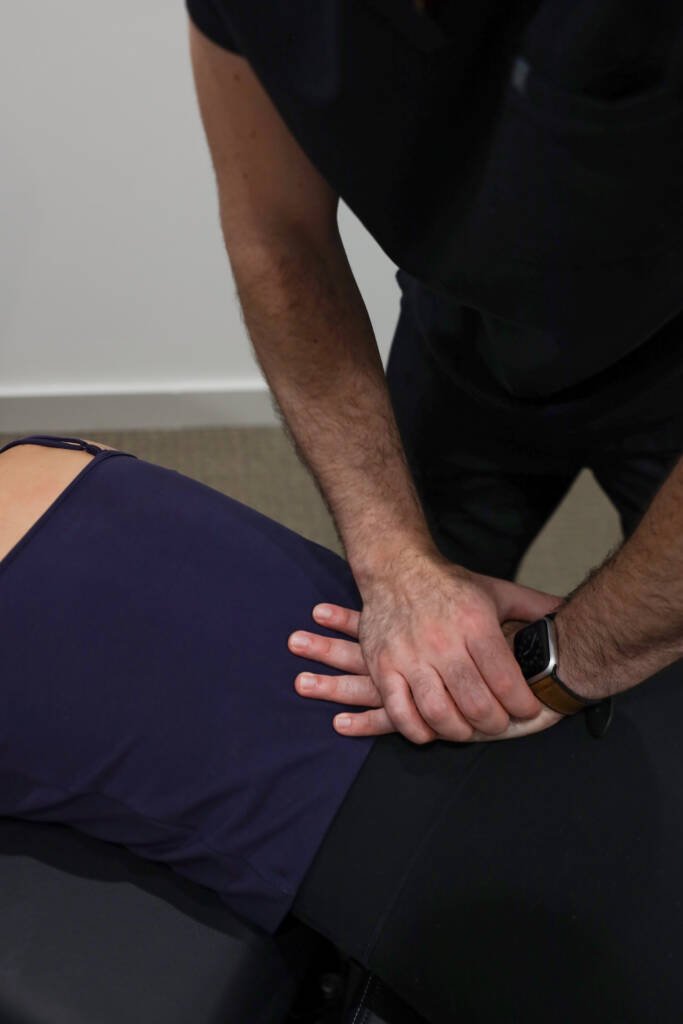
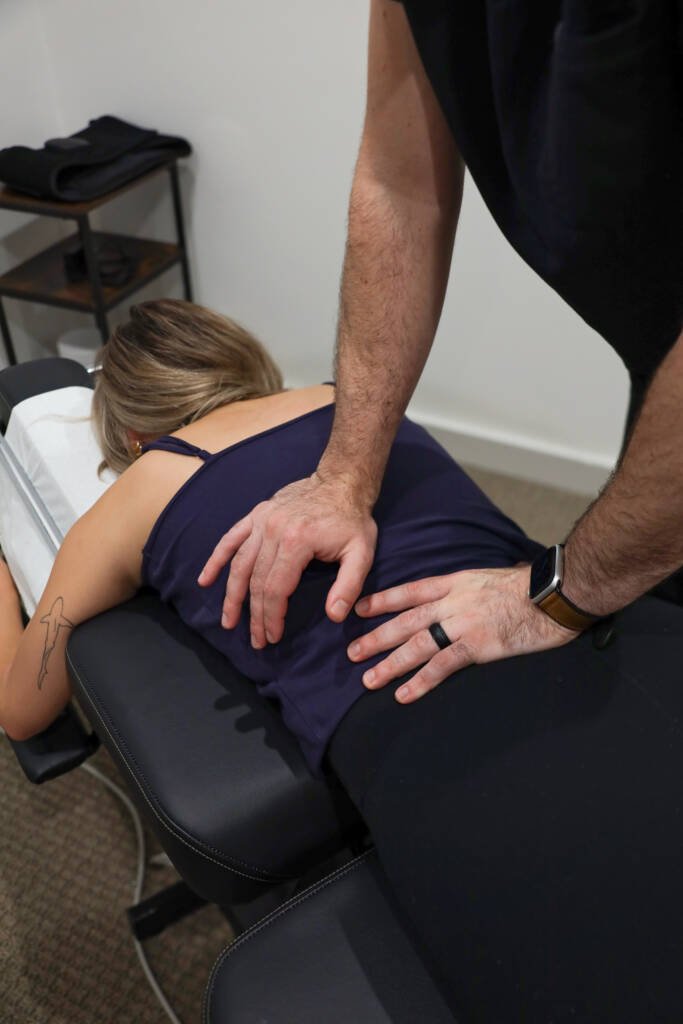
For some patients that includes gentle chiropractic care and, when appropriate, disc and spine decompression. If your symptoms are severe or progressing, we will tell you and help you find the right specialist.
- Chiropractic care when appropriate
- Spinal decompression therapy when suitable
- Flexion-based exercise and stretching
- Core and hip strengthening
- Soft tissue therapies
- Walking and activity pacing guidance
- Non-surgical treatment based on your evaluation