

Sciatica Treatment in Steele Creek, Charlotte, NC

What Is Sciatica?
Common Symptoms of Sciatica
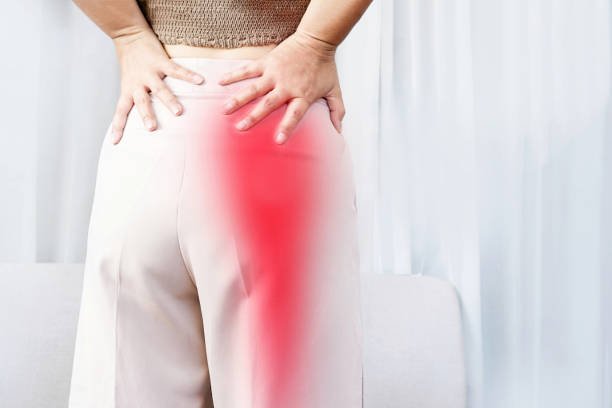
Sciatica symptoms follow the path of the nerve and often change depending on your position and activity. Common symptoms may include:
- Pain radiating from the lower back into the buttock and leg
- Sharp, burning, or electric-shock sensations
- Numbness or tingling in the leg, calf, or foot
- Weakness in the leg or foot
- Pain that worsens with prolonged sitting
- Discomfort that increases when coughing or sneezing
- Symptoms affecting one side of the body
Because sciatica is a nerve symptom rather than a condition on its own, identifying what is compressing or irritating the nerve is central to relieving it.
What Causes Sciatica?
Sciatica develops when something places pressure on or irritates the sciatic nerve or the nerve roots in the lower spine. Possible causes include:
- Herniated or bulging lumbar discs
- Degenerative disc disease
- Spinal stenosis
- Spondylolisthesis
- Piriformis syndrome
- Sacroiliac joint dysfunction
- Arthritis or facet joint irritation
- Muscle imbalance or repetitive strain
Pinpointing the source is what determines whether conservative care is appropriate and which approach is most likely to help.
How Is Sciatica Diagnosed?
Evaluation typically begins with a discussion of where your pain travels, how long it has been present, previous back injuries, and the positions or activities that make it better or worse. Your provider may assess posture, lower back and hip mobility, strength, reflexes, and nerve sensitivity, including movements that reproduce symptoms along the nerve path.
When appropriate, additional diagnostic testing or imaging may be recommended to better understand what is affecting the nerve and determine which treatment options are appropriate.
Non-Surgical Sciatica Care
Our team focuses on relieving pressure on the nerve and addressing the mechanics in the lower back and pelvis that allowed the irritation to develop. Your treatment plan may combine several conservative approaches to reduce symptoms and restore comfortable movement.
- Chiropractic care
- Spinal decompression when appropriate
- Therapeutic exercises
- Soft tissue therapies
- Posture and movement guidance
- Support for core strength, flexibility, and mobility