

Knee Pain Treatment in Steele Creek, Charlotte, NC
What Is Knee Pain?
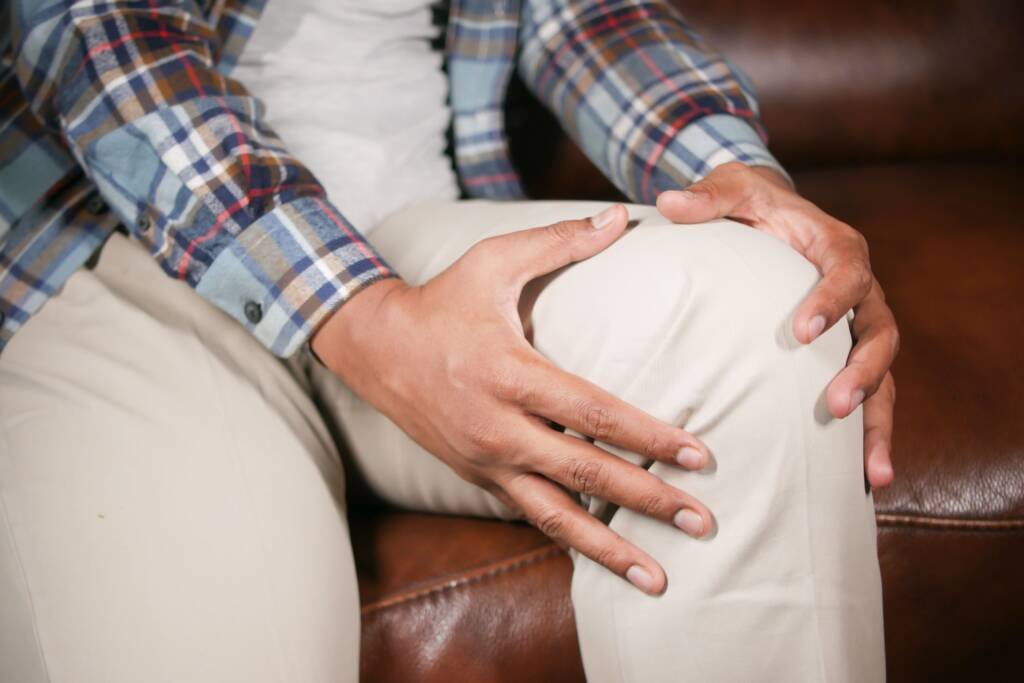
Knee pain can make walking, climbing stairs, exercising, working, and even standing for long periods difficult. Pain may come from the joint itself or from surrounding muscles, ligaments, tendons, and other soft tissues.
At Urgent Chiropractic of Steele Creek, we evaluate how your knee moves and what may be contributing to your symptoms so we can develop a personalized plan focused on comfort, mobility, and function.
Common Symptoms of Knee Pain
Knee problems can present differently depending on the injury or underlying condition. Common symptoms may include:
- Pain while walking or standing
- Pain when climbing stairs
- Swelling around the knee
- Tenderness to touch
- Stiffness or reduced range of motion
- Clicking, popping, or catching sensations
- Weakness or instability
- Difficulty comfortably bearing weight
Pain, tenderness, stiffness, swelling, and movement limitations are common with many knee conditions.
What Causes Knee Pain?
Persistent knee pain can result from injury, overuse, arthritis, or problems affecting the structures and movement patterns surrounding the knee. Common causes may include:
- Swollen or torn ligaments
- Torn meniscus
- Runner’s knee
- Bursitis
- Arthritis
- Muscular or ligament stress
- Improper movement in the hips or ankles
- Repetitive stress or overuse
- Sports or other traumatic injuries
How Is Knee Pain Diagnosed?
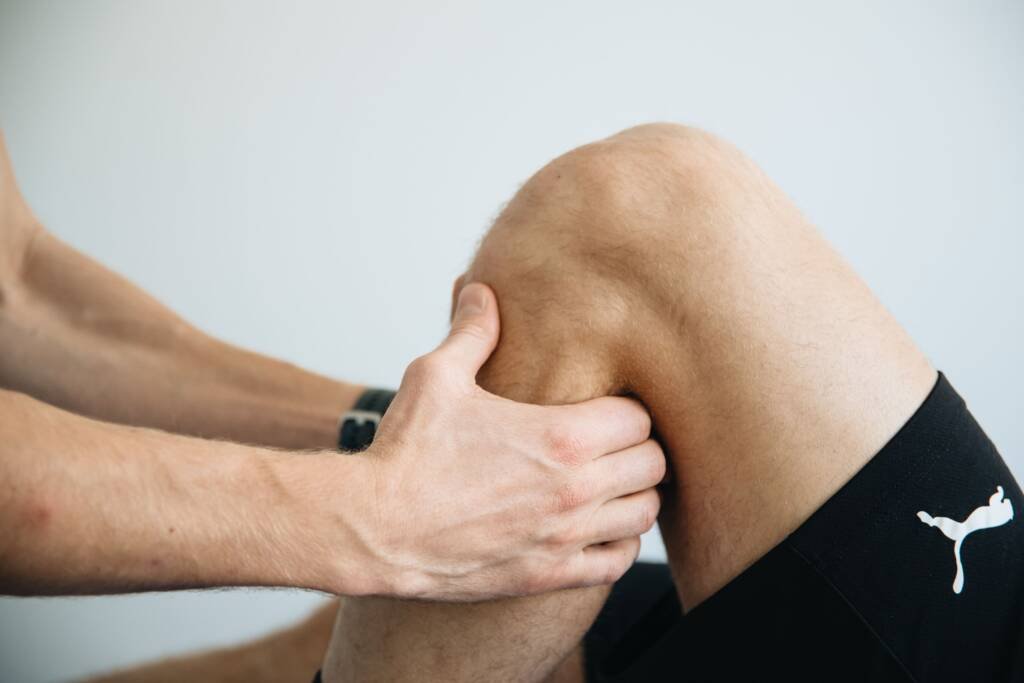
Evaluation typically begins with a review of when your pain started, activities that make it better or worse, previous injuries, and your overall health history. Your provider may examine the knee for swelling, tenderness, range of motion, strength, and stability.
Depending on your symptoms and examination findings, additional diagnostic testing or imaging may be recommended to better identify the underlying cause and guide your treatment plan.
Non-Surgical Knee Pain Care
Our approach focuses on identifying factors contributing to your knee pain and building a conservative treatment plan around your mobility and recovery goals. The goal is to support comfortable movement while addressing the underlying mechanics contributing to your symptoms.
- Chiropractic care when appropriate
- Therapeutic exercises
- Soft tissue therapies
- Knee mobility and stability support
- Movement and biomechanical guidance
- Non-surgical treatment based on your evaluation